

Review Dining Chair Quality Control in Wholesale Shipments
Table of Contents
- Introduction to Import Inspection Standards
- 1. Structural Integrity and Joint Stability Inspection
- 2. Moisture Content and Kiln-Drying Verification
- 3. Surface Finish, Lacquer, and Coating Evaluation
- 4. Ergonomic Comfort and Weight Load Testing
- 5. Legal Timber Certification and Packaging Checks
- Final Verdict and Supplier Sourcing Recommendations
Introduction to Import Inspection Standards
Conducting a thorough quality control evaluation before approving container dispatches is vital for international B2B furniture importers. Reviewing every wooden Dining Chair batch ensures that commercial shipments meet global structural, aesthetic, and safety standards.
High-volume buyers must verify that factory production matches approved prototype samples across all dimensions and finishes. To learn more about global timber classification standards and sustainable forestry practices, consult this authoritative guide on teak wood properties.
1. Structural Integrity and Joint Stability Inspection
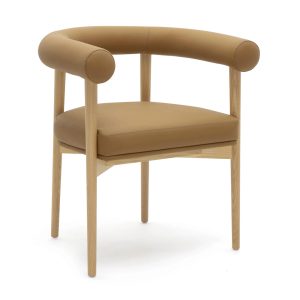
The primary focus when evaluating a solid wood Dining Chair is testing frame rigidity and joint connection precision. Inspectors examine mortise-and-tenon joints to confirm wood glue coverage and tight mechanical interlocking without visible gaps.
Applying lateral pressure checks determines whether a sample Dining Chair wobbles or creaks under sudden stress. Eliminating joint weaknesses during factory testing protects commercial hospitality venues against premature furniture failure during daily operation.
2. Moisture Content and Kiln-Drying Verification
Inspecting raw timber moisture parameters prevents severe post-export defects such as frame warping, hairline cracking, or seam splitting. Inspectors utilize calibrated digital pin moisture meters to test deep internal wood layers across multiple frame components.
A Grade-A export-ready Dining Chair must maintain a strict moisture content between 8% and 12% prior to assembly. This rigorous thermal seasoning protocol guarantees dimensional stability when furniture moves across varying international climate zones.
3. Surface Finish, Lacquer, and Coating Evaluation
Surface coating inspections focus on color consistency, smooth hand-sanding execution, and protective lacquer thickness. Quality control officers inspect each Dining Chair under standardized bright light environments to detect overspray, dust nibs, or uneven stain penetration.
Performing cross-hatch tape adhesion tests verifies that polyurethane topcoats adhere securely to the underlying teak timber. A durable protective barrier guards every Dining Chair against liquid spills, food stains, and minor surface scratches in busy dining spaces.
4. Ergonomic Comfort and Weight Load Testing
Commercial buyers conduct static weight load tests to verify load-bearing capabilities under heavy, repeated usage. A properly engineered solid wood Dining Chair should easily support static loads exceeding 150 kg without frame deflection or joint loosening.
Additionally, evaluating seat contouring, backrest pitch angles, and edge rounding ensures optimal ergonomic lumbar support. Testing seating comfort guarantees that end consumers and restaurant patrons enjoy pleasant dining experiences without physical fatigue.
5. Legal Timber Certification and Packaging Checks
Beyond physical product testing, verifying legal timber compliance documentation guarantees seamless international customs clearance. Every wholesale Dining Chair shipment from Indonesia must be accompanied by official SVLK (System Verifikasi Legalitas Kayu) certification.
Final pre-shipment inspections also audit heavy-duty export packaging standards, including 5-ply corrugated carton strength, corner protectors, and foam wrapping. Browse our full range of certified export seating collections by visiting our official website catalog today.
Final Verdict and Supplier Sourcing Recommendations
Implementing a comprehensive factory inspection checklist minimizes commercial import risks while preserving your brand’s market reputation. Partnering with experienced manufacturers simplifies quality assurance and ensures consistent batch-to-batch excellence across every container order.
CV KAYUKU provides rigorous quality control protocols, full container load (FCL) dispatches, and private label manufacturing for global furniture buyers. Contact our sales department today to request inspection reports, timber swatches, and competitive factory-direct quotes.
H2: How to Verify Supplier Compliance: Documentation Over Promises
Direvisi oleh adminDG