
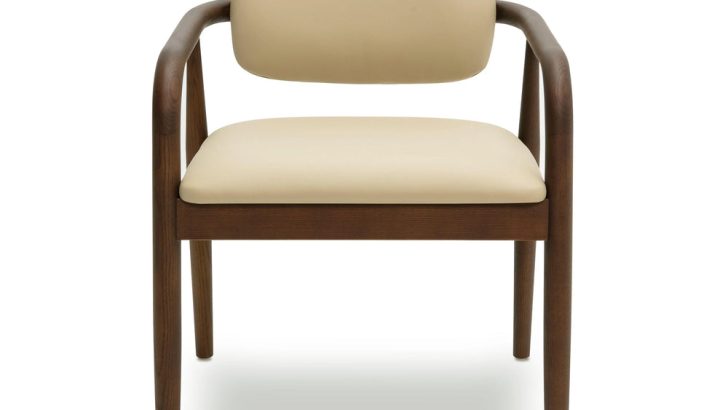
Should Dining Chairs Match Your Dining Table? Modern Decor Rules: dining chairs match table
Table of Contents
- The Evolution of Dining Room Sets
- 1. Traditional Matching vs. Modern Mixing
- 2. Coordinating Wood Tones and Materials
- 3. Ergonomic Scale and Clearance Rules
- 4. Adding Contrast with Color and Upholstery
- 5. Creating Visual Balance with Accent Seating
Choosing the right Dining Chairs for your dining room often sparks a common debate: should your seating match your dining table exactly, or should you mix different styles? Interior designers agree that rigidly matching furniture sets are no longer mandatory in modern home decor.
While matching dining sets offer effortless symmetry, mixing distinct seating options creates a curated, personality-filled room. Understanding how to harmonize different shapes, wood finishes, and upholstery styles elevates your home aesthetic while ensuring everyday comfort.

The Evolution of Dining Room Sets
Historically, purchasing matching Dining Chairs alongside a dining table was the standard approach for formal dining spaces. Today, contemporary interior styling emphasizes individual expression, texture layering, and eclectic furniture pairings.
Mixing complementary furniture pieces makes a dining space feel thoughtful and dynamic rather than showroom-generic. For historical context on joinery craftsmanship and furniture design eras, explore this trusted external source.
1. Traditional Matching vs. Modern Mixing
Opting for identical Dining Chairs provides visual order and classic elegance, making it an ideal choice for traditional or minimalist interiors. However, combining mismatched seating styles introduces warmth and creative character into open-concept living spaces.
- Matching Sets: Delivers clean symmetry, uniform proportions, and straightforward decision-making.
- Mixed Seating: Blends organic textures, varied silhouettes, and curated design elements.
- Hybrid Approach: Pairs matching side chairs along the table lengths with distinct host chairs at the heads.
Selecting mismatched Dining Chairs allows homeowners to blend vintage heirlooms with sleek modern pieces seamlessly.
2. Coordinating Wood Tones and Materials
When mixing wood seating with timber tables, focus on coordinating undertones rather than seeking exact stain matches. Pairing warm teak wood seating with rich walnut or oak creates sophisticated visual depth across the room.
Combining natural wood frames with matte metal legs or woven rattan backrests prevents the dining area from looking overly heavy or monotonous.
3. Ergonomic Scale and Clearance Rules
Regardless of style variations, all Dining Chairs must satisfy fundamental ergonomic standards relative to your dining table. Maintaining a 10 to 12-inch gap between the seat cushion and the table apron ensures comfortable legroom for guests.
In addition, ensure each chair offers at least 24 inches of table width clearance so diners do not feel crowded during meals.
4. Adding Contrast with Color and Upholstery
Incorporating upholstered Dining Chairs around a solid timber or marble table introduces luxurious softness and sound absorption. Neutral linen, rich velvet, or supple leather cushions contrast beautifully against hard wood surfaces.
Selecting stain-resistant fabrics guarantees long-term durability for busy family dining rooms without sacrificing high-end interior style.
5. Creating Visual Balance with Accent Seating
To execute mixed seating successfully, establish a unifying design theme such as consistent seat heights, matching leg finishes, or a shared color palette. Anchor your arrangement with handcrafted solid teak seating from the official CV KAYUKU website.
Selecting high-quality, sustainably sourced Dining Chairs guarantees structural durability, ergonomic support, and timeless aesthetic beauty for your home.
Direvisi oleh adminDG